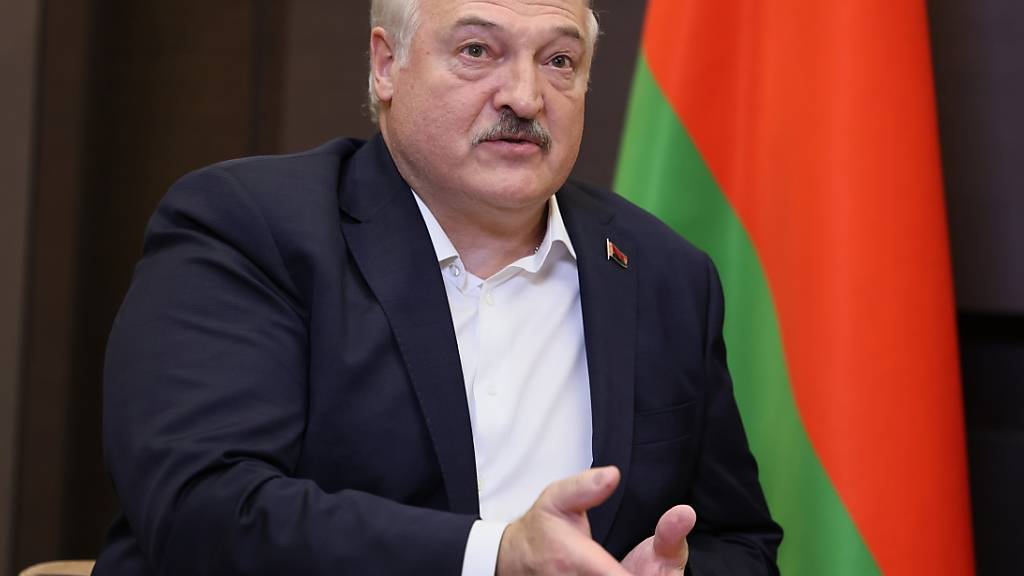
The Government of the Republic of Belarus (Belarusian: Урад Рэспублікі Беларусь, romanized: Urad Respubliki Byelarus), which consists of the Council of Ministers of the Republic of Belarus (Belarusian: Савет Міністраў Рэспублікі Беларусь, romanized: Savyet Ministraw Respubliki Byelarus), is the executive branch of state power in Belarus, and is appointed by the President of Belarus. The head of the Government is the President of Belarus, who manages the main agenda of the government and direct the ministers.
Powers and duties
The Council of Ministers is the highest administrative organ and is responsible for the daily operations of the government. It is reporting to the President of Belarus and accountable to the National Assembly. The Council of Ministers issues resolutions that are binding on the entire territory of the Republic of Belarus. The Prime Minister issues orders within the limits of his competence. It has the following competences
- Manages the system of state administration bodies and other executive bodies subordinate to it, including: state administrative bodies, ministries, state committees, concerns (Belgoskharchprom, Bellegprom, Bellespopreprom, Belneftekhim) and organizations subordinate to the government (Belarusian Republican Union of Consumer Societies)
- Develops the main directions of domestic and foreign policy and takes measures to implement them;
- Develops and submits to the President for submission to Parliament a draft republican budget and a report on its implementation;
- Ensures the implementation of a unified economic, financial, credit and monetary policy, state policy in the fields of science, culture, education, healthcare, ecology, social security and wages;
- Takes measures to ensure the rights and freedoms of citizens, protect the interests of the state, national security and defense, protect property and public order, and combat crime;
- Acts on behalf of the owner in relation to property owned by the Republic of Belarus, organizes the management of state property;
- Ensures the implementation of the Constitution, laws and decrees, decrees and orders of the President;
- Repeals acts of ministries and other republican state administration bodies;
- Exercises other powers vested in it by the Constitution, laws and acts of the President.
Structure
Below are the 30 members of the Council of Ministers as of 19 August 2020, as well as the head of the presidential administration and the chairmen of the State Committees, who are not technically ministers but are included in the Council of Ministers. Offices which are not technically counted as ministerial posts are italicized. The prime minister, the first deputy prime minister(s), the deputy prime minister(s), the ministers of economy, finance, and foreign affairs, the head of the presidential administration, and the chairman of the State Control Committee together form the Presidium of the Council of Ministers. These officials are highlighted in yellow. The incumbent government resigned en masse on 17 August 2020. A new government was formed on 19 August 2020, consisting of mostly the same people.
Composition
As of 2023:
References